Spotting – and Stopping – Spotted Lanternfly, Emerald Ash Borer, and Other Tree Threats
Central Indiana’s trees face a double threat in 2025: the spotted lanternfly (SLF) continues its march across the state, and the emerald ash borer (EAB) still kills unprotected ash. Knowing how to identify, report, and manage these invaders is the best way to protect your landscape and local forests.
The Big Three Pests on Every Hoosier Radar
| Pest | Why It Matters | Prime Hosts | Current Hot-Spot Counties* |
|---|---|---|---|
| Spotted Lanternfly | Sucks sap, weakens hardwoods and fruit crops, covers everything below with sticky honeydew. | Tree-of-heaven, maples, black walnut, grapes. | Switzerland, Huntington, Elkhart, St. Joseph, Porter, Bartholomew, plus eight more rail-line counties (total now 14). Government of IndiaCity of BloomingtonUS Forest Service |
| Emerald Ash Borer | Larvae tunnel under bark and kill ash within 2–4 years. | All ash (Fraxinus) species. | State-wide; pockets of ash still survive in urban plantings and woodlots. Purdue University |
| Asian Longhorned Beetle / Thousand Cankers | Not yet found in Indiana, but present in neighboring states; early detection prevents another costly outbreak. | Maples, birch, walnut. | No confirmed Indiana sites – stay vigilant. US Forest Service |
*Source: Indiana Department of Natural Resources (DNR) and USDA Forest Service bulletins.
How to Identify Each Invader
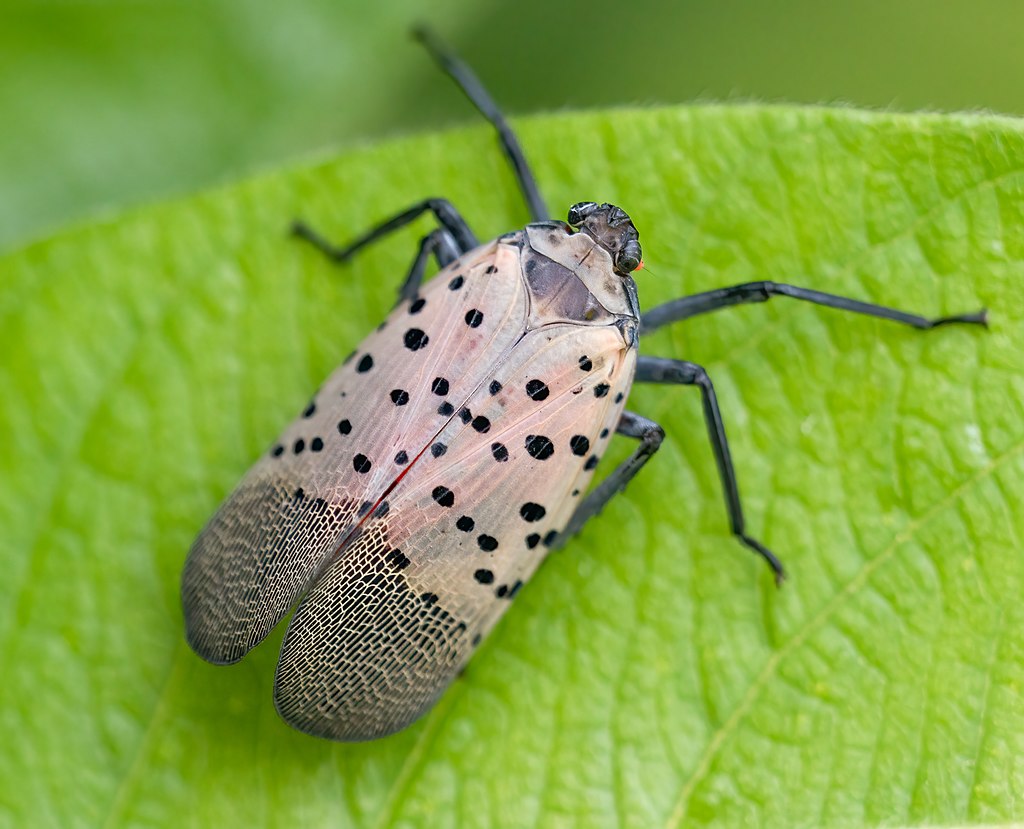
Spotted Lanternfly
- Adults: 1-inch long; gray forewings with black spots, bright red hindwings.
- Nymphs (spring): black with white polka dots; later turn red-and-black.
- Egg masses: mud-like tan smears on bark, vehicles, patio furniture.
Emerald Ash Borer
- Adults: ½-inch metallic green beetle active May–August.
- Signs: D-shaped exit holes, serpentine larval galleries under bark, vertical bark splits, top-down canopy dieback.
Asian Longhorned Beetle (look-alike you should still report)
- Shiny black beetle, white spots, long antennae banded black-and-white.
- Large round exit holes (½-inch) on maples and birches.
What to Do if You Spot a Suspect Pest
- Photograph the insect or damage. Clear, close-up photos help experts confirm identity.
- Report immediately to DNR’s online portal or call (866) NO-EXOTIC; include date, address, and photos. Government of India
- Avoid moving firewood, nursery stock, or outdoor gear that may harbor egg masses.
- Call Pro Finish Tree Care for a same-week pest inspection and management plan.
Treatment and Prevention – Homeowner Action Plan
| Season | Spotted Lanternfly | Emerald Ash Borer | All Pests |
|---|---|---|---|
| Winter | Scrape egg masses into alcohol or a sealed bag. | Plan systemic injections for spring. | Prune out deadwood to improve tree vigor. |
| Spring | Set sticky bands; remove tree-of-heaven seedlings. | Inject ash trunks with emamectin benzoate when leaves flush. | Mulch and water trees to reduce stress. |
| Summer | Inspect outdoor furniture, campers, trailers before trips. | Monitor ash crowns for new dieback. | Schedule mid-season arborist check. |
| Fall | Remove and chip heavily infested trees. | Plant resistant replacement species. | Rake leaves – many pests overwinter in debris. |
Why Early Detection Matters
- Economic impact: SLF threatens Indiana’s $400-million grape and hardwood industries. APHIS
- Property value: Mature ash easily add $1,000+ to home resale prices; losing one can drop curb appeal overnight.
- Safety: EAB-killed ash become brittle and hazardous, making removal more dangerous – and more expensive – the longer you wait. Purdue Extension
Take Action Today
Indiana’s invasive pests will not wait. Schedule your tree pest inspection with Pro Finish Tree Care, and keep your trees – and your neighborhood – healthy all season long.
Have a question? Call us or use our online form. Together, we can spot, report, and stop these destructive invaders before they spread any further.