Trees are generally an asset to a property. Real estate research consistently shows that mature, healthy trees increase home values, improve curb appeal, and make yards more attractive to buyers. That is the common wisdom, and for healthy, well-placed trees it is accurate.
But not every tree adds value. A dead tree in the front yard, a silver maple lifting your driveway, or a rotted oak hanging over the roofline are not assets. They are liabilities. And in a competitive real estate market like greater Indianapolis, they can directly cost you on the sale price or scare buyers away before they ever step inside.
This post covers when tree removal adds value, when keeping a tree is the better call, and what Central Indiana homeowners should know before making decisions about trees with a sale or long-term property investment in mind.
When a Tree Hurts Your Property Value
Most buyers and appraisers make a quick visual judgment about a property before they look at anything else. The exterior sets the tone. A tree that draws the eye for the wrong reasons can undermine an otherwise well-maintained home.
Dead or visibly declining trees
A dead tree in the front yard is one of the most visible signals that a property has deferred maintenance. Buyers see it and start wondering what else has been neglected. Dead trees also create liability: a home inspector or buyer’s agent will flag a dead tree that could fall on the structure, and that flag becomes a negotiating point or a deal condition.
Removing a dead tree before listing a property is almost always worth the cost. It eliminates a visible red flag, removes a liability disclosure issue, and typically costs far less than the negotiating leverage it would give a buyer.
Trees causing structural damage
Roots lifting a driveway, cracking a sidewalk, or pressing against a foundation are a different category of problem. These are active, ongoing damage situations that show up in home inspections and appraisals. A tree that is causing structural damage to a driveway or foundation is not adding value to the property. It is subtracting it, and the cost of the root damage repair is a separate line item from the tree removal itself.
In these situations, removing the tree and repairing the hardscape is almost always the right call before a sale, and often worth doing years earlier just to stop the damage clock.
Hazardous trees over structures
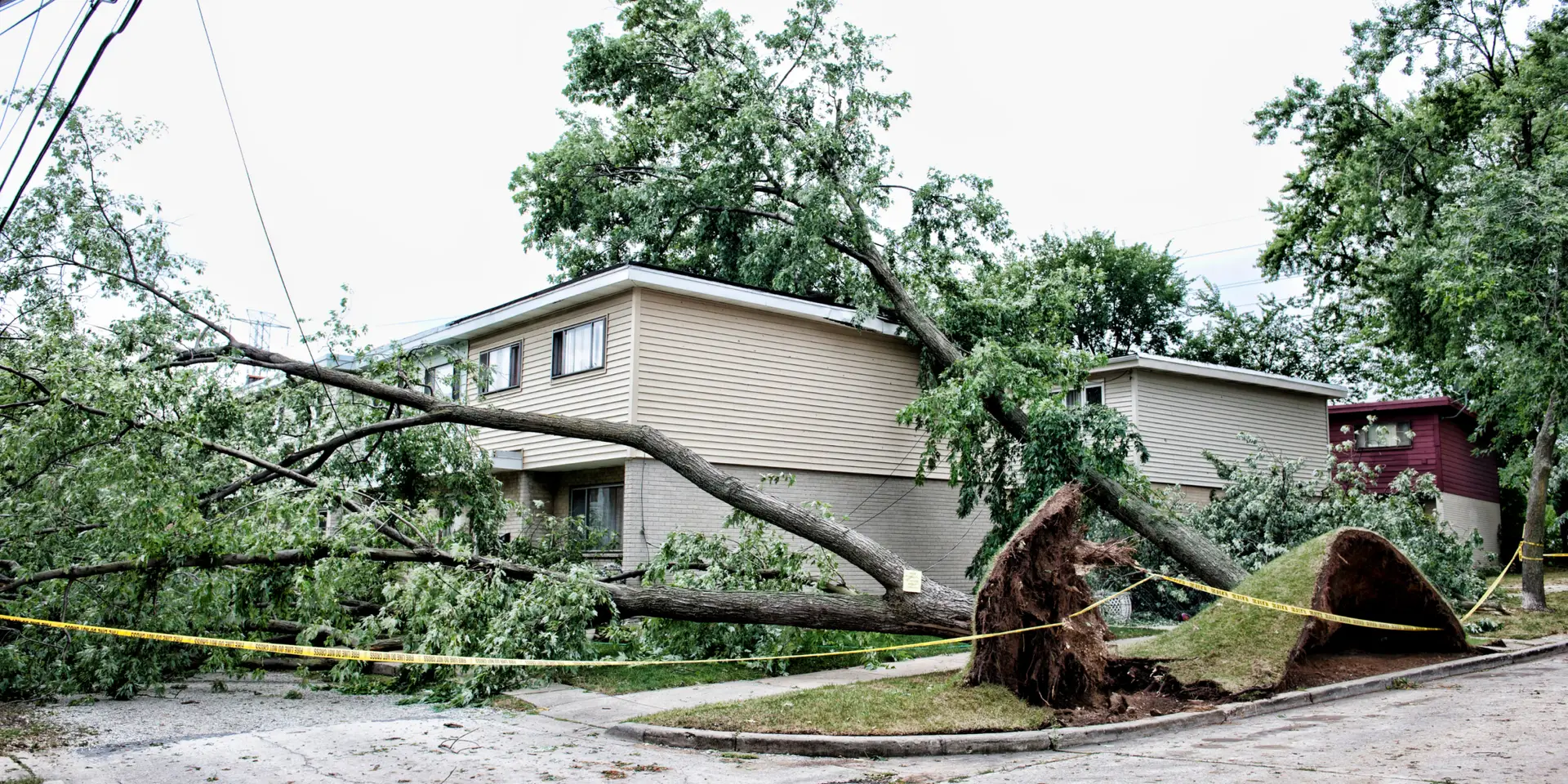
A large tree hanging over the roof creates two problems for a sale. First, it is a visible liability that any buyer will notice. Second, homeowners insurance in Indiana can become complicated when there is an obvious structural hazard on the property. Some insurers will require hazardous tree removal as a condition of coverage, and a buyer’s lender may flag it during underwriting.
Having a hazardous tree removed before listing removes the issue entirely rather than leaving it as an open item for buyers and their agents to use as leverage.
Overgrown trees blocking the home from the street
Curb appeal depends on the home being visible and attractive from the street. An overgrown tree that blocks the facade, casts permanent shadow on the front of the house, or simply dominates the front yard in an unattractive way can reduce the first impression of a property. This is more of a pruning situation than a removal situation in many cases, but some trees have grown beyond the point where pruning restores good proportions.
Not sure if a tree on your property is hurting or helping its value? Get a free assessment at profinishoutdoor.com/contact and we will walk the property with you.
When Removing a Tree Genuinely Adds Value
Tree removal adds measurable value in the following situations.
Before listing a home for sale
The cost-to-value ratio of tree removal before a sale is almost always favorable. A $500 to $1,200 removal that eliminates a visible liability, removes a home inspection flag, and improves first-impression curb appeal can return several times its cost in reduced negotiating room for the buyer. Real estate agents in the Indianapolis market routinely advise sellers to address dead, hazardous, or visibly problematic trees before going to market.
When clearing space for a high-value improvement
Removing trees to make way for a pool, a garage addition, a deck, or a finished outdoor living space is a value-positive trade in most cases. The new improvement typically adds more value than the tree being removed, particularly when the tree being removed was not a significant landscape asset to begin with.
In the Indianapolis suburbs, outdoor living spaces have become a significant factor in buyer decisions. A property with a well-designed backyard commands a real premium over a comparable home with an unusable yard.
When the tree is actively causing damage
As covered above, a tree that is lifting concrete, pressing against a foundation, or clogging gutters year after year is costing you money in maintenance and repair. Removing it stops the damage clock. The removal cost is a one-time expense; the ongoing damage is not.
Removing multiple problem trees to open the yard
Some older Indiana properties, particularly in established neighborhoods of Indianapolis and the inner suburbs, have dense tree coverage that blocks light, makes the lawn difficult to maintain, and creates a dark, closed feeling in the yard. Selectively removing two or three problem trees while keeping the most attractive ones can dramatically improve the usability and feel of the outdoor space.
Tree Situations and Their Likely Impact on Property Value
| Tree Situation | Likely Property Value Impact |
| Healthy mature shade tree, well-placed, good structure | Positive: typically adds $1,000 to $10,000+ depending on size and location |
| Dead tree in the front yard | Negative: visible liability, inspection flag, buyer negotiating point |
| Tree with roots lifting driveway or sidewalk | Negative: active structural damage, ongoing repair cost |
| Large tree hanging over the roofline | Negative: insurance and inspection concern, buyer liability flag |
| Overgrown tree blocking home from street view | Negative to neutral: reduces curb appeal and first impression |
| Tree removed to make way for pool or outdoor living | Net positive in most cases: new improvement outweighs removed tree |
| Healthy tree in backyard, away from structures | Neutral to positive: adds shade and value without creating hazards |
| Stump left after removal in visible area | Minor negative: incomplete appearance, mowing obstacle |
The Stump Question: Finish the Job Before You Sell
One detail that is easy to overlook: if you remove a tree before listing a property, grind the stump. A bare stump in the front or back yard looks like an incomplete project and draws attention to the removal rather than moving past it. Our stump grinding service takes the stump below grade and leaves the area ready to sod or seed. Pairing the removal with same-day stump grinding is the cleanest and most cost-effective way to handle it.
Trees and Home Sales in the Indianapolis Market Specifically
The Indianapolis metropolitan area has a competitive resale market where first impressions and move-in readiness matter. Buyers in Fishers, Carmel, and Westfield in particular tend to be discerning about property condition. A home that looks well-maintained from the curb gets more showings and better initial offers.
Johnson County, including Greenwood and the surrounding area, has a strong base of move-up buyers who have owned a home before and know what to look for. They are less likely to overlook visible maintenance deferrals than first-time buyers.
In older Indianapolis neighborhoods on the north and east sides, large mature trees are genuinely valued by buyers who understand they cannot be replaced quickly. The calculation there is more nuanced: removing a healthy mature tree to save on maintenance is often a mistake, but removing a dying, hazardous, or structurally problematic tree is still the right call.
Thinking about a sale or just want the property looking its best? Schedule a free estimate at profinishoutdoor.com/contact and we will advise on what helps versus what to leave alone.
What to Do If a Tree Has Already Caused Damage to Your Property
If a tree on your property has caused visible damage to a driveway, fence, or structure and you are preparing to sell, address the tree first and the hardscape second. Repairing a cracked sidewalk without removing the root system that cracked it will result in the same damage recurring within a few years, and a good home inspector will flag the root cause regardless.
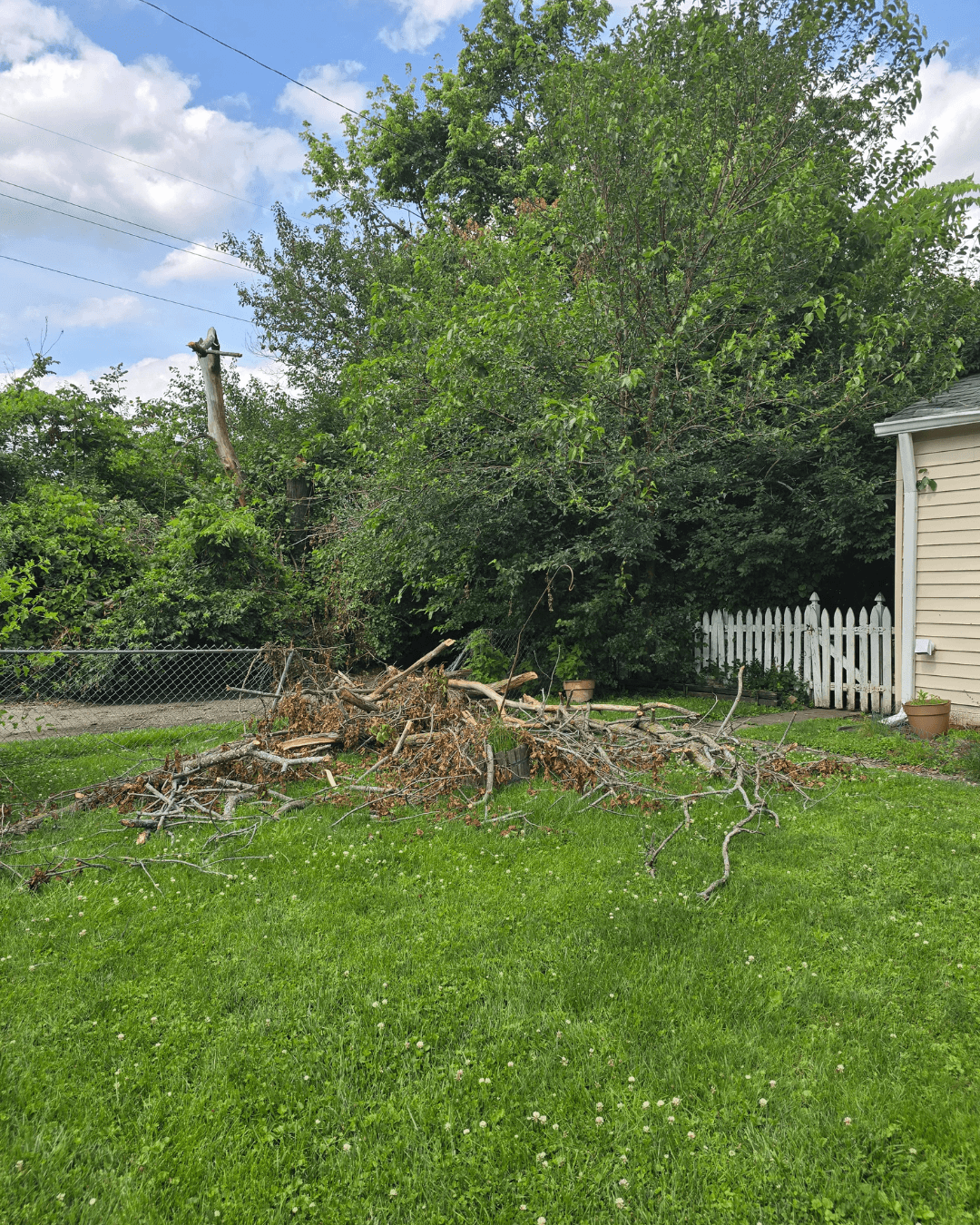
For trees that have caused storm damage to the property, our storm damage cleanup service covers removal, documentation, and temporary repairs. We can also provide written estimates formatted to support insurance claims if the damage is covered under your homeowners policy.
Pro Finish Tree Care Serves All of Central Indiana
We provide professional tree removal, trimming, stump grinding, and emergency storm response across Indianapolis, Fishers, Carmel, Noblesville, Westfield, Greenwood, and surrounding communities throughout Central Indiana.
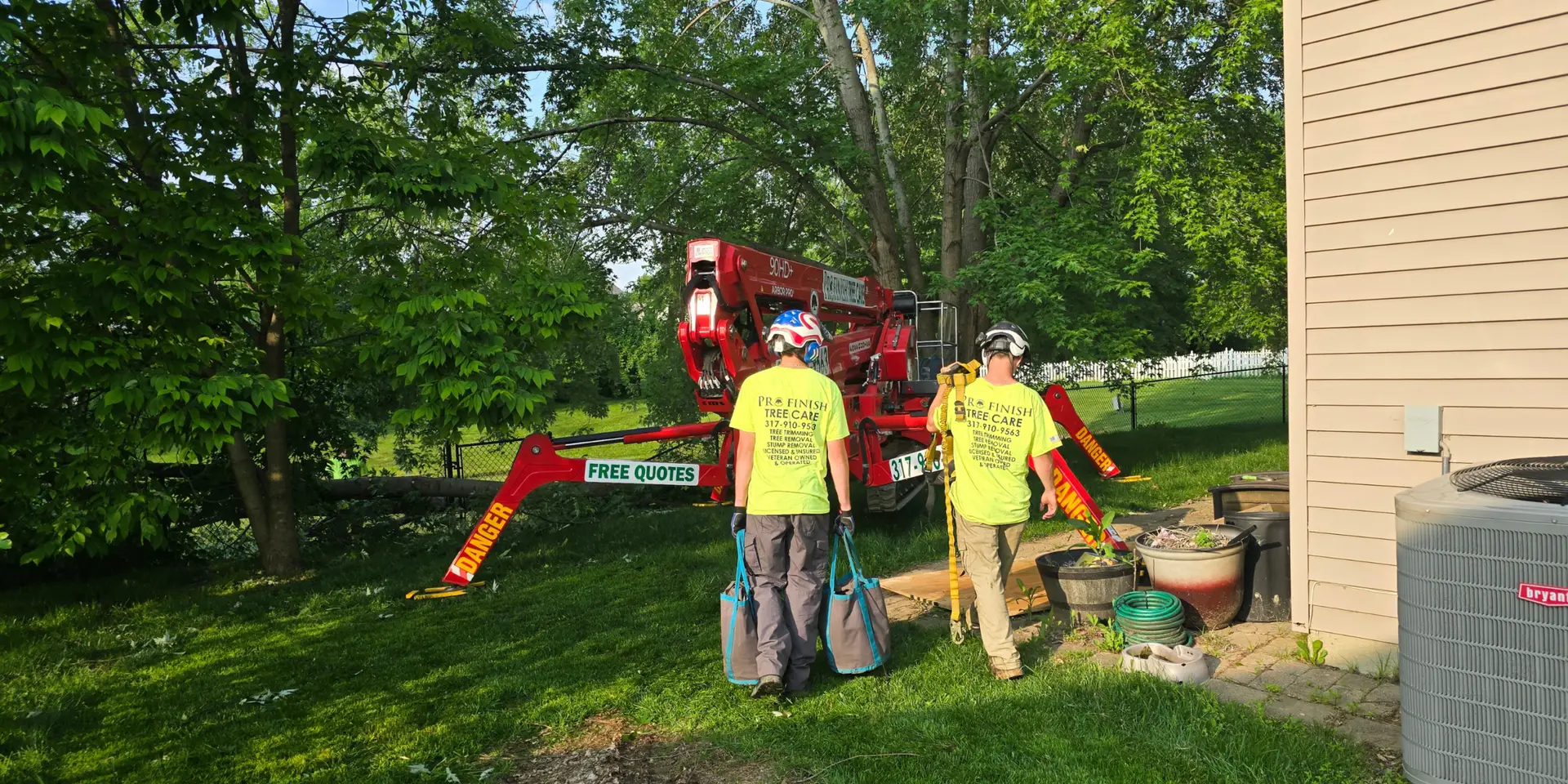
We are a veteran-owned, family-operated business. Owner Jesse Dickson is a United States Army veteran who has served this area since 2019 and is present on every job. Read more on our About Us page or browse completed work in our Past Projects gallery.
Free estimates, no pressure. Contact Pro Finish Tree Care at profinishoutdoor.com/contact or call (317) 910-9563.
Frequently Asked Questions: Tree Removal and Property Value
Will removing a tree hurt my home’s value?
It depends entirely on the tree. Removing a healthy, well-placed mature tree with good structure can reduce value, particularly in neighborhoods where mature trees are scarce. Removing a dead, hazardous, overgrown, or structurally damaging tree almost always improves value or at minimum removes a negative. The question to ask is whether the tree is an asset or a liability to the specific property.
Should I remove trees before selling my home in Indianapolis?
If you have dead, hazardous, or visibly declining trees, yes. Address them before listing. They will come up in the inspection, give buyers negotiating leverage, and create a first-impression problem that affects how buyers perceive everything else about the property. Healthy, attractive trees should stay. Problem trees should go.
Do appraisers account for trees when valuing a home?
Appraisers consider overall curb appeal and landscaping condition as part of their assessment. Mature, healthy trees are generally a positive factor. Dead or hazardous trees, visible structural damage from roots, and poorly maintained landscaping can negatively affect an appraisal. There is no fixed dollar value per tree, but the overall condition of the exterior and yard is part of the comp analysis.
How long before listing should I remove problem trees?
At least four to six weeks before you plan to list. This gives the yard time to recover from any ground disturbance, allows you to sod or seed over stump grinding areas if needed, and ensures the work is fully complete with no remaining debris before photos are taken. If trees are near structures, budget more time in case permits or utility coordination are required.
Can I deduct tree removal as a home improvement expense?
In most cases, tree removal is not deductible as a home improvement for tax purposes unless it is part of a larger project or related to business use of the property. There are exceptions for storm damage and casualty losses. Consult a tax advisor for guidance specific to your situation. We can provide written documentation of the removal and its reason if needed.
What is the best time of year to remove a tree in Indianapolis?
Tree removal can be done year-round in Indiana. Late fall and winter are often the most cost-effective time for non-emergency removals because demand is lower and access to the tree is easier without foliage. Late winter and early spring are popular for homeowners preparing their property for a spring listing. If you have a hazardous tree, do not wait for a season change to address it.