Choosing the right tree is one of the few landscaping decisions that pays off for decades, and one of the few that is genuinely hard to undo once a tree is established. Central Indiana’s clay-heavy soil, humid summers, and ice-prone winters narrow the list of trees that actually thrive here versus the ones that struggle or become a liability. This guide covers the best trees for Indiana yards by category, so you can pick a tree that fits your space and your goals, not just what looked good at the garden center.
If you already know you want to plant this fall, our fall tree planting guide covers timing and a shorter shortlist of fast-establishing species. This guide is the broader picture: what grows well in Indiana year-round, and why.
What Makes a Tree a Good Fit for Indiana
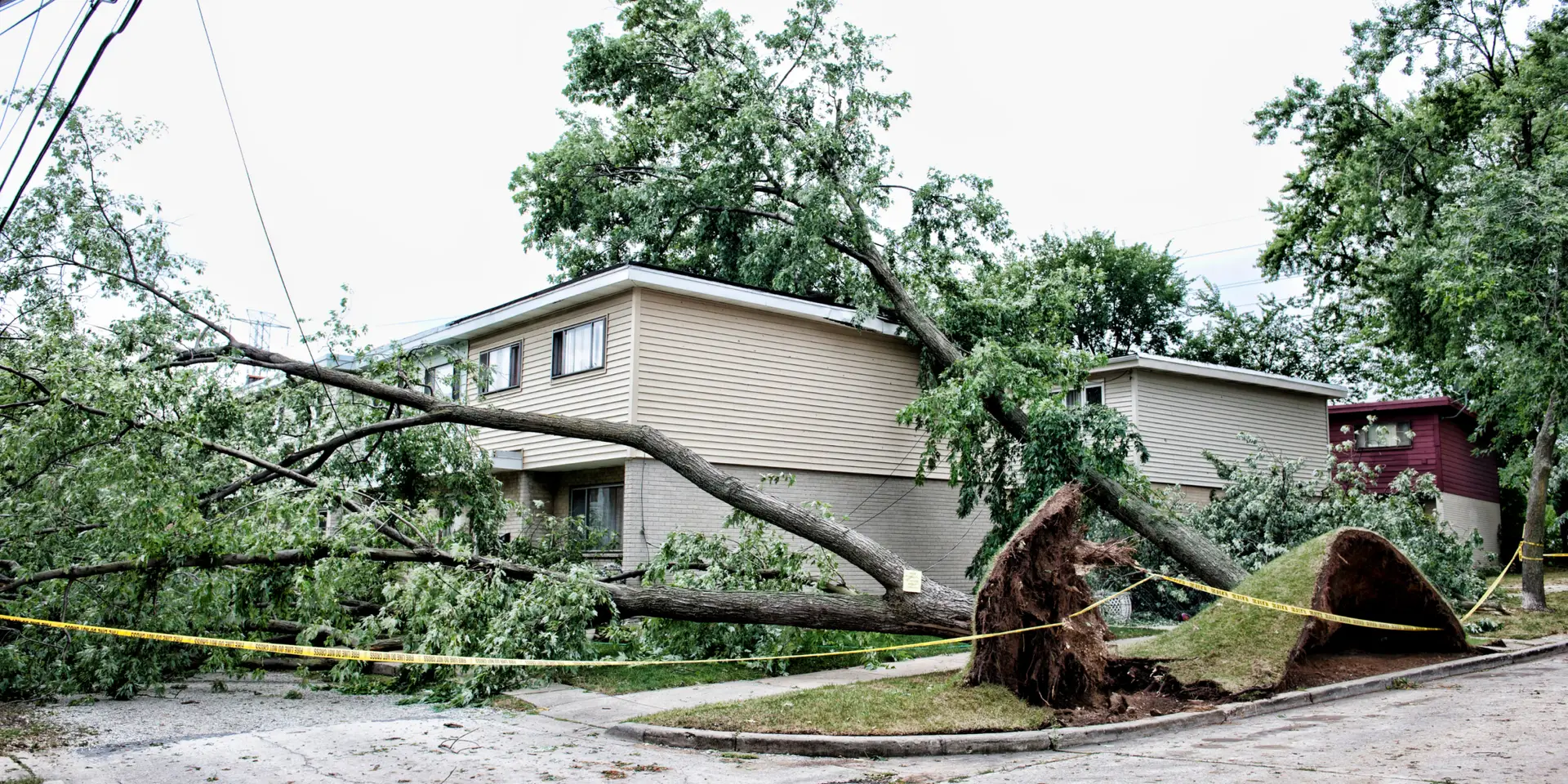
Most of Central Indiana sits in USDA hardiness zone 6a, with pockets of 5b in colder microclimates. That means trees need to handle cold winters, humid summers, and heavy clay soil that drains slowly after rain. On top of that, Indiana’s storm patterns, including summer thunderstorms and occasional ice storms, put a premium on trees with strong branch structure. A tree that looks great in a nursery photo but has weak wood or shallow roots can turn into a hazard, and eventually a removal job, within a decade or two.
Best Native Trees for Indiana Yards
Native species are generally the safest long-term bet. They are adapted to local soil and rainfall, tend to need less supplemental water once established, and support local wildlife.
- Tulip Tree (Tulip Poplar): Indiana’s state tree. Fast-growing, tall, and a strong shade tree for larger yards.
- White Oak: Slower growing but exceptionally long-lived and storm-resistant once mature. A true legacy tree for large properties.
- Red Maple: Adaptable to a range of soil conditions, with reliable fall color and moderate growth speed.
- Eastern Redbud: A smaller understory tree with striking spring blooms, well suited to yards that do not have room for a full shade tree.
- Serviceberry: Multi-season interest with spring flowers, summer berries, and fall color, and it stays manageable in smaller yards.
- Sycamore: Fast-growing with distinctive bark, best suited to larger properties with room for its wide canopy and root spread.
Best Drought-Tolerant, Low-Maintenance Trees
If you want a tree that will not need constant attention once it is established, look for species that tolerate Indiana’s occasional dry stretches without extra watering or frequent pruning.
- Bur Oak: Extremely drought-tolerant once mature, with a deep root system and strong wood.
- Ginkgo: Highly resistant to pests, disease, and drought, though it grows slowly and needs a male cultivar to avoid the messy fruit from female trees.
- Hackberry: Tough, adaptable, and tolerant of poor soil, making it a practical choice for problem areas of the yard.
- Kentucky Coffeetree: Native, drought-tolerant, and largely free of serious pest or disease issues.
Best Trees for Privacy and Shade
For homeowners planting specifically to block a view, shade a patio, or cool a home in summer, growth rate and mature canopy size matter more than any other factor.
- Norway Spruce or Colorado Blue Spruce: Reliable evergreen privacy screening, but plan for their eventual width, mature spruces need real room to spread.
- Little Leaf Linden: A dense, well-shaped shade tree that handles urban conditions well.
- River Birch: Fast-growing with attractive peeling bark, good for shade in a shorter timeframe than slower-growing oaks.
Trees to Think Twice About in Central Indiana
Some popular nursery trees are worth avoiding, or at least going into with open eyes, because of storm risk or maintenance demands.
- Bradford Pear: Notorious for splitting apart in storms due to weak branch structure, and now considered invasive in Indiana. Many homeowners are actively replacing these.
- Silver Maple: Fast growth comes with brittle wood and aggressive surface roots that can damage sidewalks and foundations over time.
- Boxelder: Weak-wooded and prone to storm damage, with a tendency to attract boxelder bugs in large numbers.
If you already have one of these species on your property, that is not necessarily a reason to remove it today, but it is a reason to have it evaluated periodically. Our guide to arborist services in Indianapolis covers what a professional evaluation looks for and how often to schedule one.
Planting for the Long Term
Picking the right species is half the equation. Correct planting depth, adequate spacing from your home and utility lines, and a few years of structural pruning while the tree is young all affect how well it holds up to Indiana weather down the road. Trees planted too close to a house or power line often end up needing corrective pruning or, in worse cases, removal years earlier than they should.
Fall is generally the best planting window in Central Indiana, since cooler temperatures and steady rainfall let new roots establish before summer heat arrives. See our fall planting guide for a shorter list of fast-establishing choices and planting timing specifics.
Not Sure Which Tree Is Right for Your Yard?
Pro Finish Tree Care can walk your property, talk through species that fit your space and goals, and help you plant for long-term success.
Call (317) 910-9563 or request a free consultation online
Frequently Asked Questions
What is the best all-around tree to plant in Indiana?
For most yards, native species like red maple, tulip tree, or white oak strike the best balance of hardiness, low maintenance, and long-term value. The right choice still depends on your yard’s size and how much shade or privacy you want.
What trees should I avoid planting in Indiana?
Bradford pear, silver maple, and boxelder are common choices that tend to cause problems later, either from storm damage, weak wood, or invasive spread. A local arborist can suggest a sturdier alternative with a similar look.
Is fall or spring better for planting trees in Indiana?
Fall is generally preferred for most species because cooler weather and consistent rainfall help roots establish before the stress of summer heat. Some species, including magnolia, dogwood, and certain oaks, do better with spring planting.
How do I know if an existing tree on my property is a storm risk?
Signs include dead or brittle branches, visible cracks or cavities in the trunk, a lean that has developed recently, or soil heaving near the base. A professional evaluation can confirm whether pruning is enough or removal is the safer option.
Plant With Confidence, or Get an Evaluation on What You Already Have
Pro Finish Tree Care is veteran-owned, BBB-accredited, and serving Fishers, Carmel, Noblesville, Westfield, Greenwood, and Greater Indianapolis since 2019.